
Nature’s Widescreen
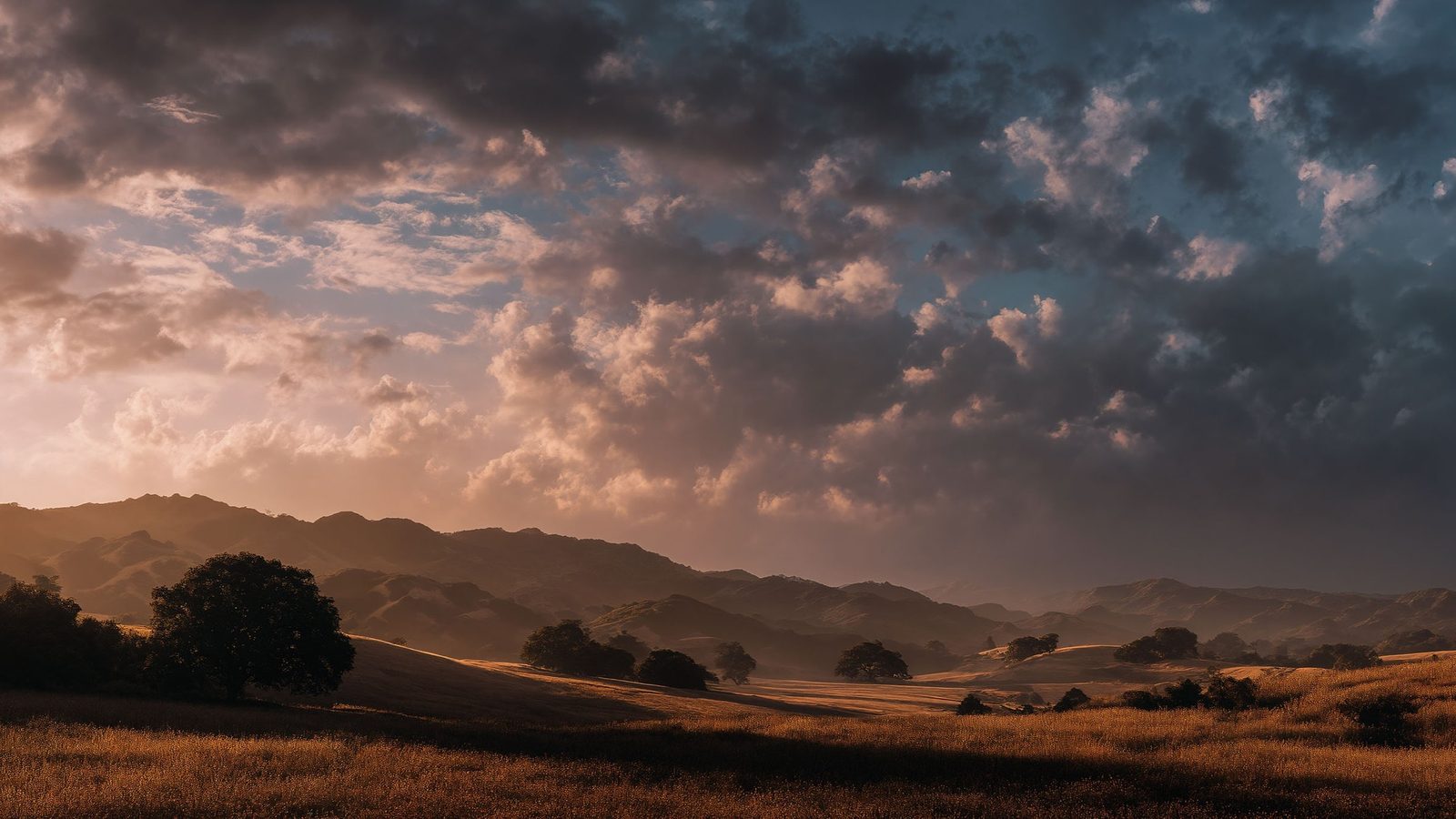
Welcome to the world’s fanciest screensaver—except this one didn’t come free with your laptop, it came with a director’s chair. Look at those clouds: moody, dramatic, and clearly auditioning for a role in the next epic saga. The hills? They’re doing their best Terrence Malick impression—“just let the light tell the story.”
This is what “cinematic” means outside the theater. It’s not about popcorn; it’s about how light, lens, and atmosphere can turn ordinary fields into Oscar contenders. Notice the way the golden hour sunlight hits the grass like a soft-focus spotlight, while the distant ridgelines fade into misty layers. That’s depth of field at a landscape scale—your eyes are being directed like the audience in a film.
Art Influences
Think Hudson River School painters (Thomas Cole, Albert Bierstadt), but with modern cinematographers like Roger Deakins whispering “add more drama.” The painters gave us vast, romantic landscapes designed to inspire awe; Hollywood added color grading and widescreen framing to make us feel inside the scene.
Fun Fact You’ll Want to Repeat
“Golden hour” is only about 20–40 minutes long, twice a day. That’s why directors plan whole shoots around it—it’s basically nature’s free Instagram filter. Miss it, and you’re stuck with “midday harsh light,” a look that makes even Brad Pitt squint.
So the next time you’re outside at sunset and it feels like you’ve wandered into a movie—spoiler alert: you kind of have.
Related works
Tale of the Sea
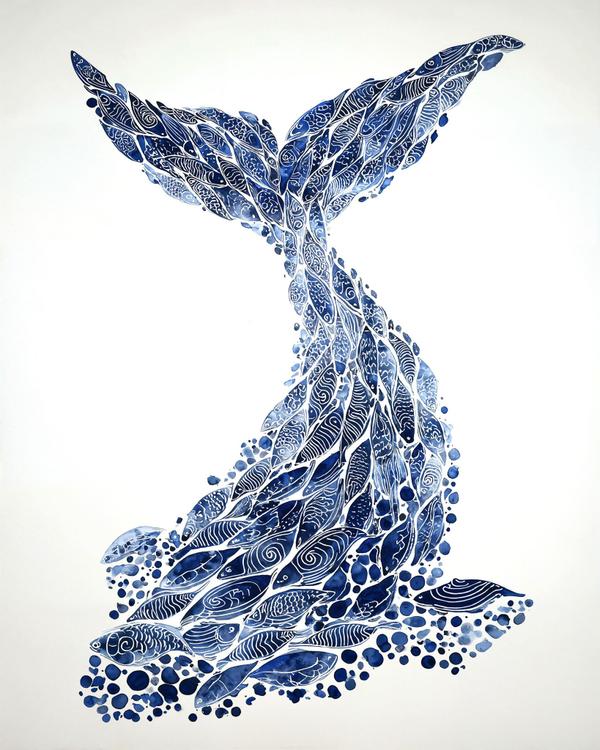
This is what happens when a whale hires a tattoo artist with a marine biology minor.
Roadside Daydream
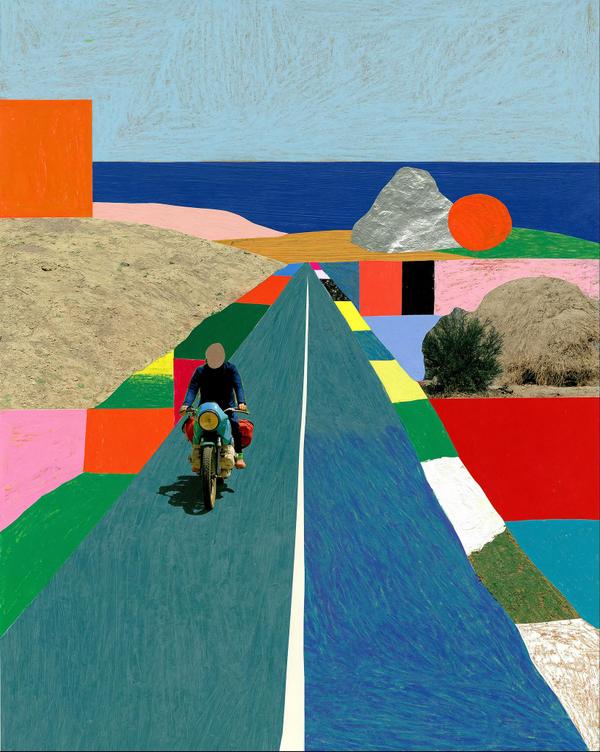
A faceless biker, a silver boulder, and a giant orange slab by the sea. Already a better vacation than most group texts.
Quiet Spiral
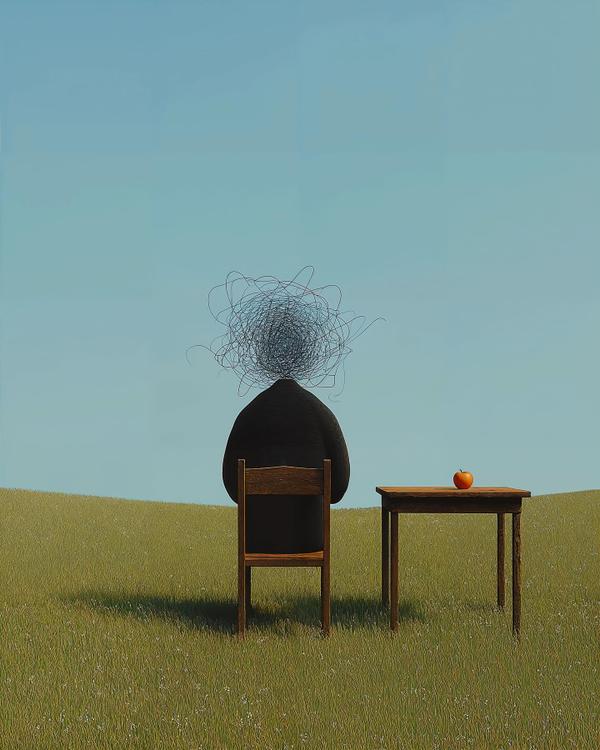
This one is funny for about two seconds, and then it starts feeling a little personal. A lone figure sits in an open field, back turned, posture calm, while their head has become a frantic ball of scribbled pencil lines—part storm cloud, part doodle, part “nothing to worry about” from someone clearly worrying about everything. Next to them, on a plain wooden table, sits a single red apple, doing its best despite being hilariously underqualified.
Available as a museum-quality print.
Request this print