
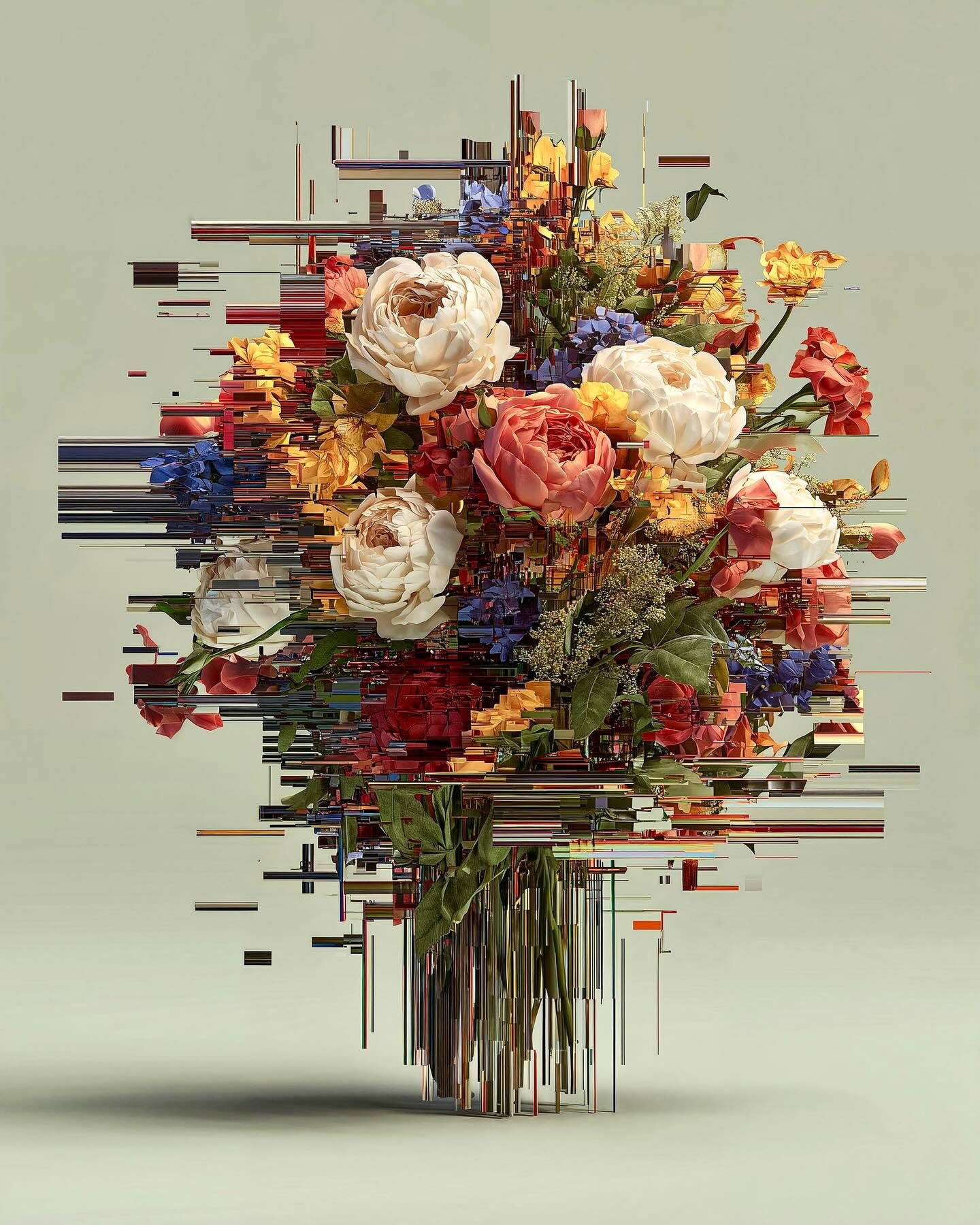
Buffering in Bloom
Like if a Dutch flower painting hit a Wi-Fi dead zone and decided to make it everyone’s problem.
At first glance, it’s all seduction. Lush peonies. Pops of orange and blue. Creamy petals doing that soft, expensive thing flowers do when they know they’re the main character. Then the whole image starts to glitch. Horizontal tears. Color bands shooting sideways. Little digital hiccups like the bouquet is trying to load, panic, and look fabulous at the same time.
That’s what makes this piece so good. It takes the old-school language of floral still life—beauty, abundance, technical flexing, a gentle reminder that everything lovely eventually dies, you know, light stuff—and scrambles it. The flowers don’t just sit there looking pretty and obedient. They flicker. They smear. They behave like a memory with bad reception.
You can feel the Dutch Golden Age in all that rich detail, where every petal got treated like royalty. But there’s also a Cubist instinct here, breaking the image apart so you don’t just see it, you reassemble it. And then toss in some glitch-art energy, where distortion stops being a mistake and starts being the whole point.
Mini art lesson: this is deconstruction doing its thing. Instead of handing you one neat, stable image, the composition fractures so your eye has to rebuild it in real time. That creates movement in something that should be completely still. Basically: even the bouquet has anxiety.
Fun fact for your next dinner-table flex: a lot of 17th-century flower paintings included blooms that never actually bloomed in the same season. So yes, even the old masters were out here making impossible, overachieving fantasy bouquets.
It’s a still life.
But it absolutely refuses to act like one.
Related works
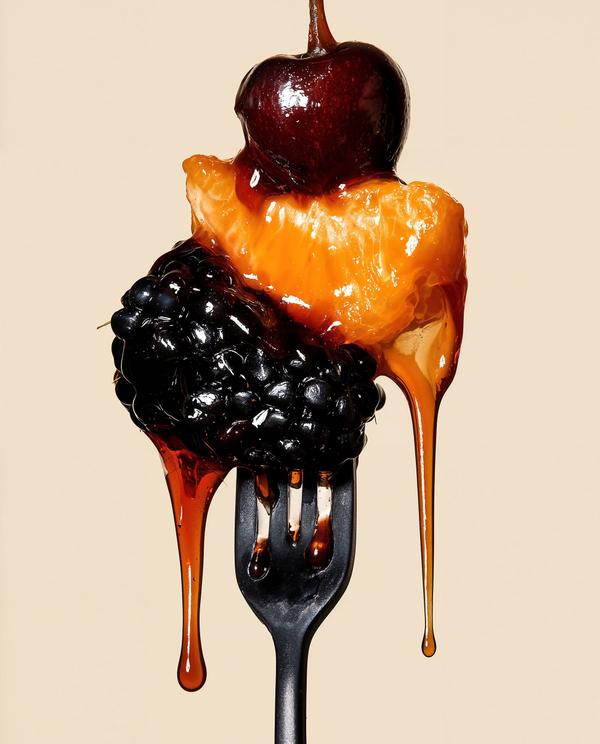
Sticky Situation
This looks like dessert dressed for a red carpet event and then immediately melted under the pressure.
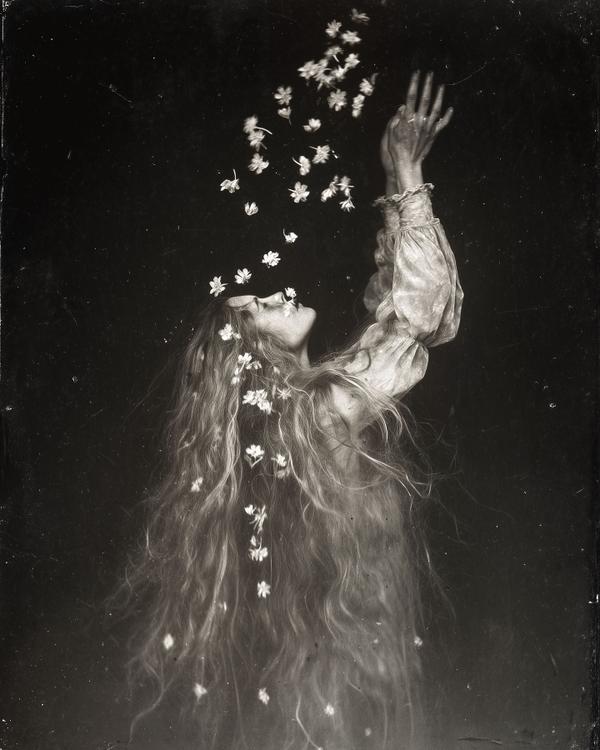
Flower Child
The figure seems to be disappearing into the same atmosphere that surrounds her.
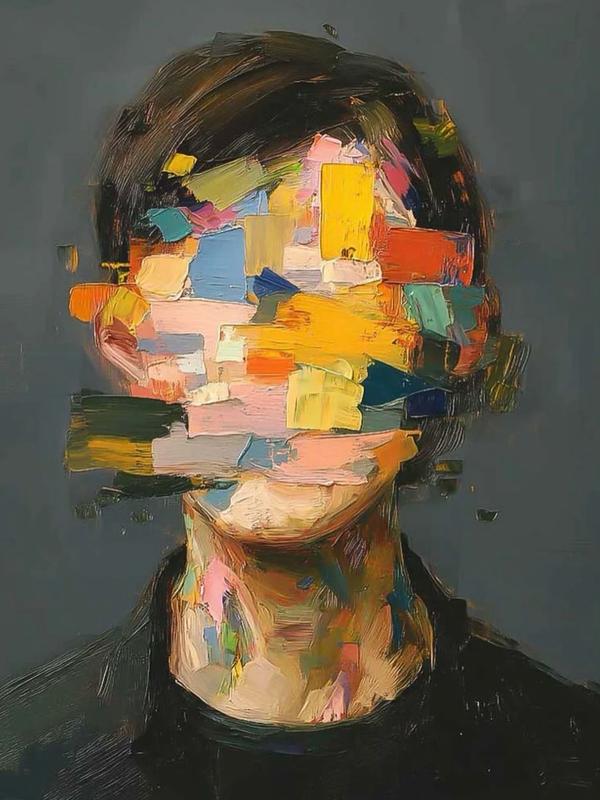
Face With Bad Wi-Fi
This portrait looks like it tried to remember its own password and gave up halfway through.
Available as a museum-quality print.
Request this print