The Sentence That Started an Argument
Subtle, it is not.
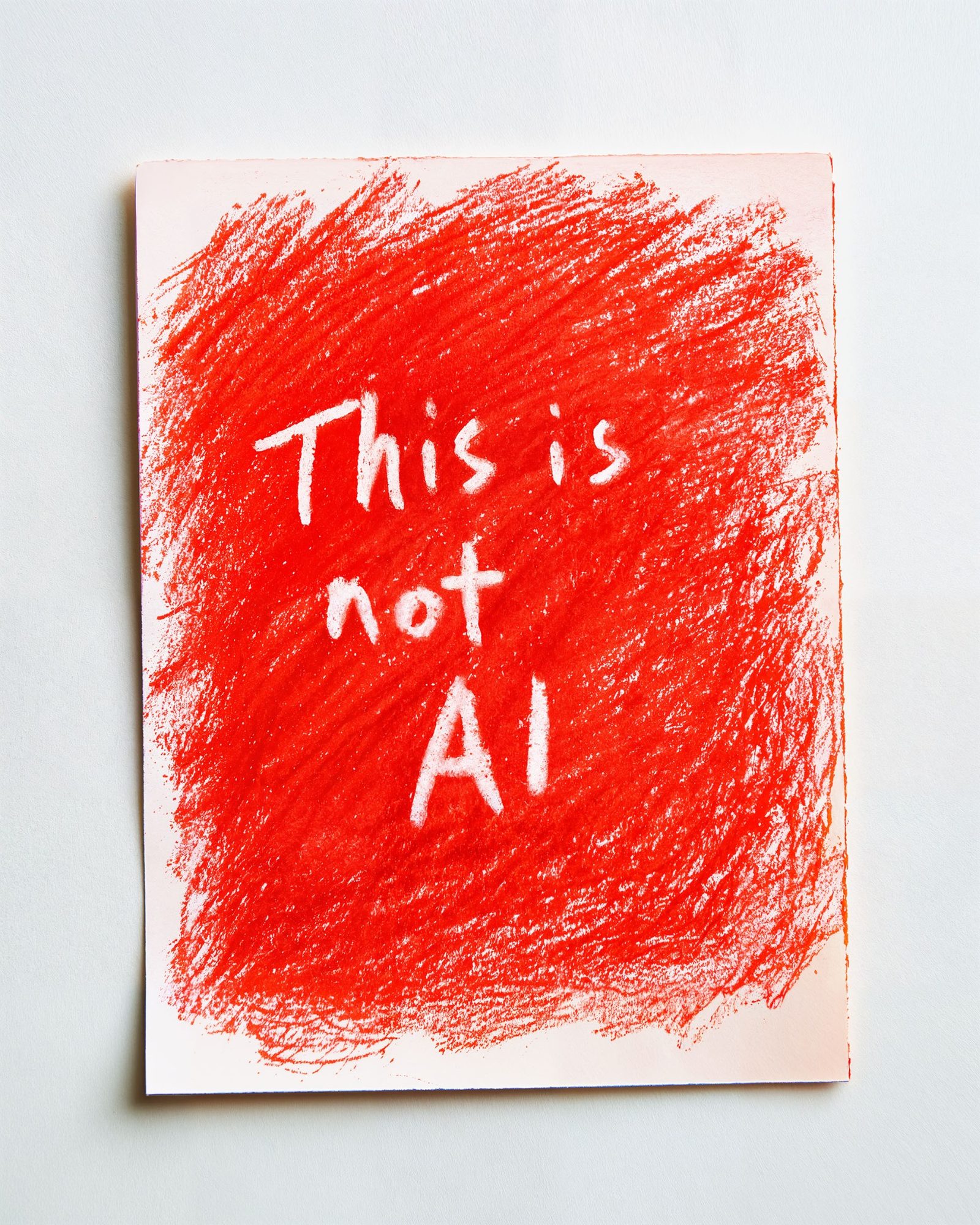
A sheet of paper has been worked over in red crayon until it becomes almost a wall of color, and then, sitting inside that field in rough white letters: This is not AI.
The wording is blunt. The execution is messy. The result feels strangely authoritative, like a manifesto written by someone who misplaced the manifesto and grabbed a crayon instead.
Kosuth made language itself the subject, asking what happens when words become the artwork. Ben Vautier spent decades turning handwritten statements into art, often with the casual directness of a note taped to the refrigerator. Twombly brings the physical side—the scratch, drag, pressure, and imperfect hand that makes the surface feel lived in.
The interesting thing here is the negative lettering. The white words seem to emerge from the red rather than sit on top of it. That reversal makes the sentence feel discovered, almost uncovered. Your eye reads the color first, then the claim.
And the claim immediately creates friction.
That’s one of conceptual art’s favorite tricks: give the viewer something simple enough to understand in a second, then make them spend five minutes wondering what exactly they understood.
This one comes armed with a crayon.
FUN FACT
Artists began using plain language as a primary art material in earnest during the 1960s, when the idea behind the object became just as important as the object itself. Sometimes a sentence can carry an entire exhibition on its back.
Related works
What the Walls Remember
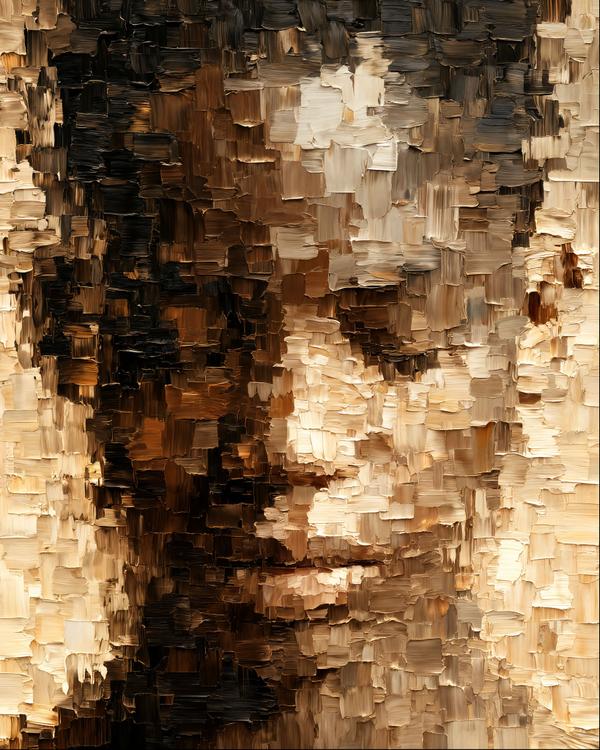
Somewhere between a midnight espresso and a very expensive renovation, a face started appearing in the plaster.
The Garden Has Taken His Side
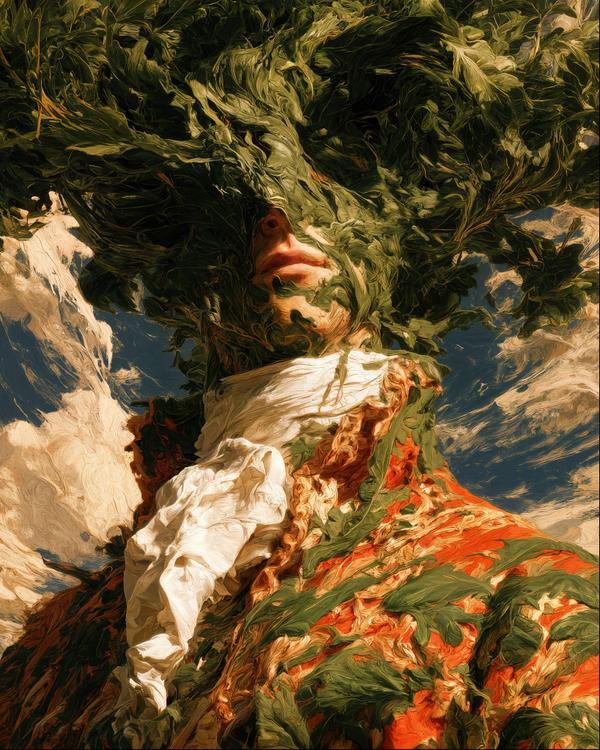
Somewhere beneath that shrubbery is a man who clearly told the gardener he wanted privacy.
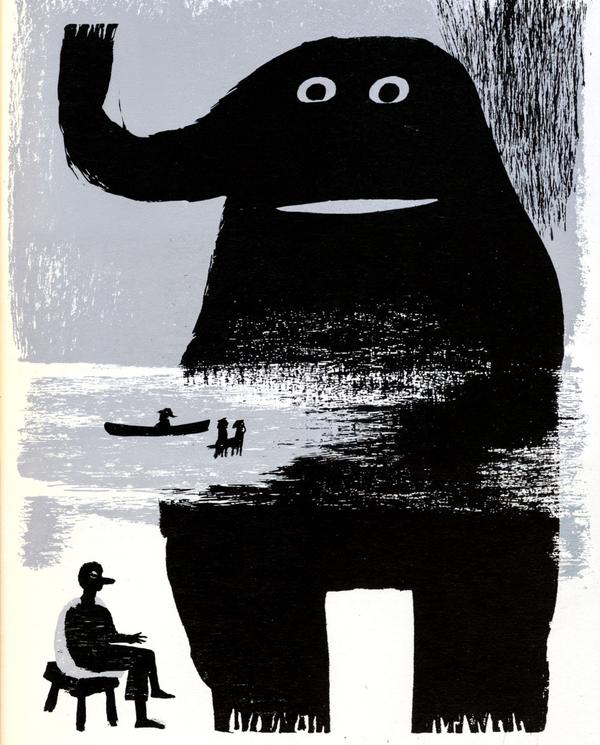
The Elephant in the Room
Finally, someone dealt with the elephant in the room. He seems pretty comfortable there.
Available as a museum-quality print.
Request this print