Wild Grace
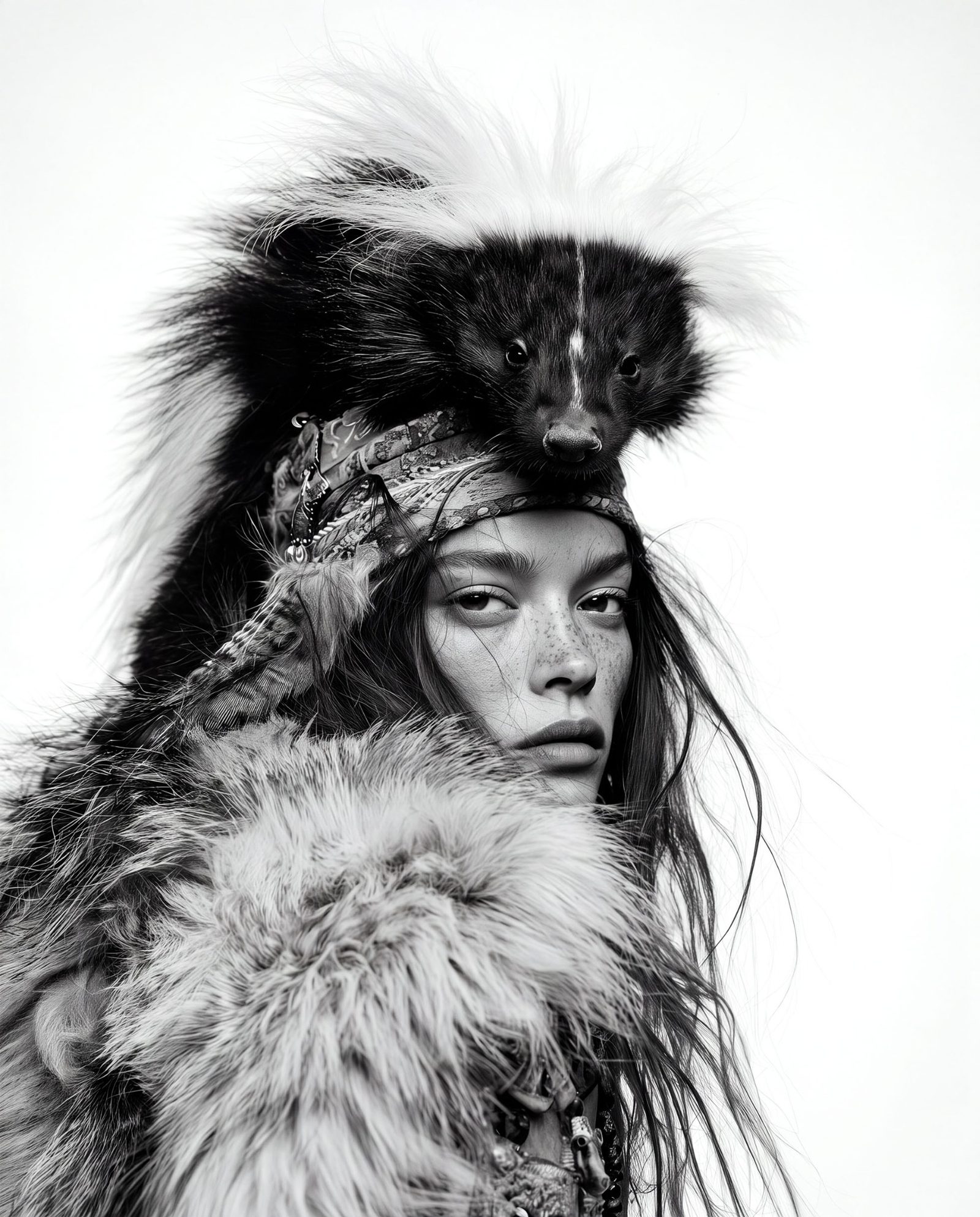
That skunk on her head has the attitude of a crown and the public-relations record of a skunk.
This portrait understands a basic truth: if you give the eye one strange thing and one beautiful thing, it will stay for both. Here, the beautiful thing is the face—steady, half-guarded, almost challenging. The strange thing is the skunk perched above it like some unruly spirit animal with excellent hair.
The composition does a lot with very little. Blank background. Tight crop. A turn of the shoulder. The figure looks back at us from the edge of the frame, which gives the whole image a charged, over-the-shoulder drama. The fur wraps around her like weather, while the skunk’s white plume rhymes with the soft explosion of texture below. Black and white helps seal the deal. Without color distracting you, every strand of hair, every freckle, every tuft of fur becomes part of the emotional vocabulary.
You can feel the influence of Irving Penn in the stripped-down clarity and respect for texture; he knew a plain setting could make a subject feel monumental. There’s also some of Richard Avedon’s psychological directness here, that sense that a portrait can stare back. And the skunk introduces a sly brush of Surrealism, where the unexpected object doesn’t explain itself and is more interesting for that.
What lingers is the mood. She doesn’t look amused, ornamental, or tamed. She looks allied.
Also, let’s give a little credit to the skunk for committing fully to the hat career.
FUN FACT
In black-and-white photography, different colors can collapse into very similar gray tones, which is why photographers rely so heavily on lighting, contrast, and texture to separate forms and build mood.
Related works
What the Walls Remember
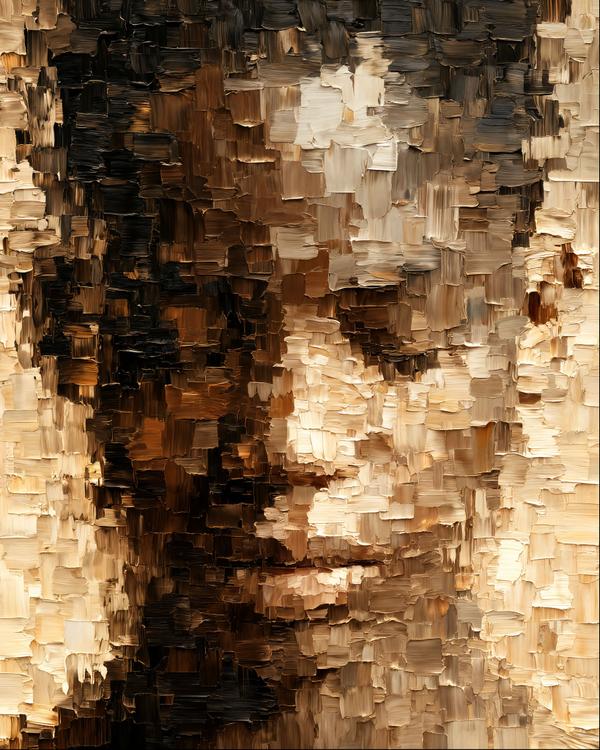
Somewhere between a midnight espresso and a very expensive renovation, a face started appearing in the plaster.
The Garden Has Taken His Side
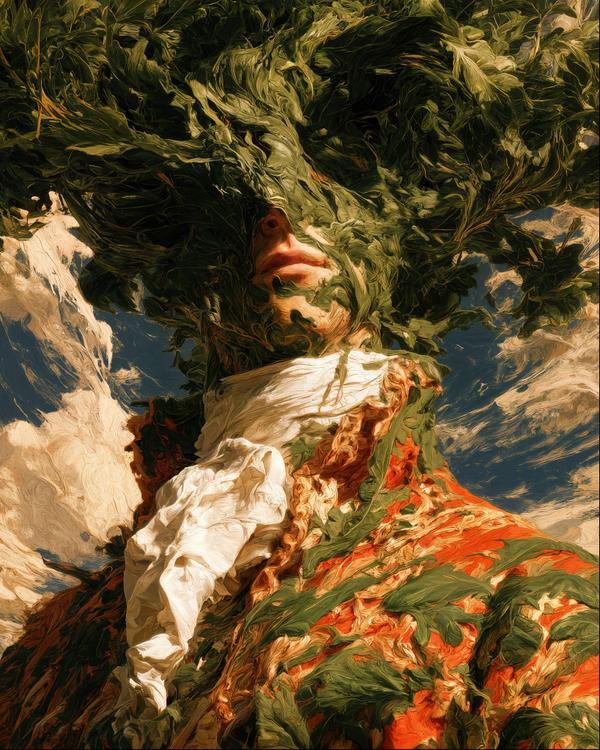
Somewhere beneath that shrubbery is a man who clearly told the gardener he wanted privacy.
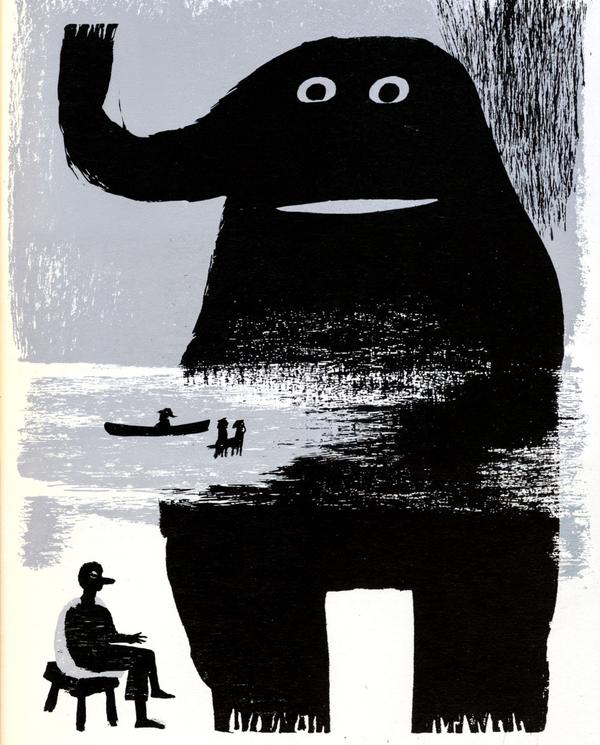
The Elephant in the Room
Finally, someone dealt with the elephant in the room. He seems pretty comfortable there.
Available as a museum-quality print.
Request this print