One More for the Road
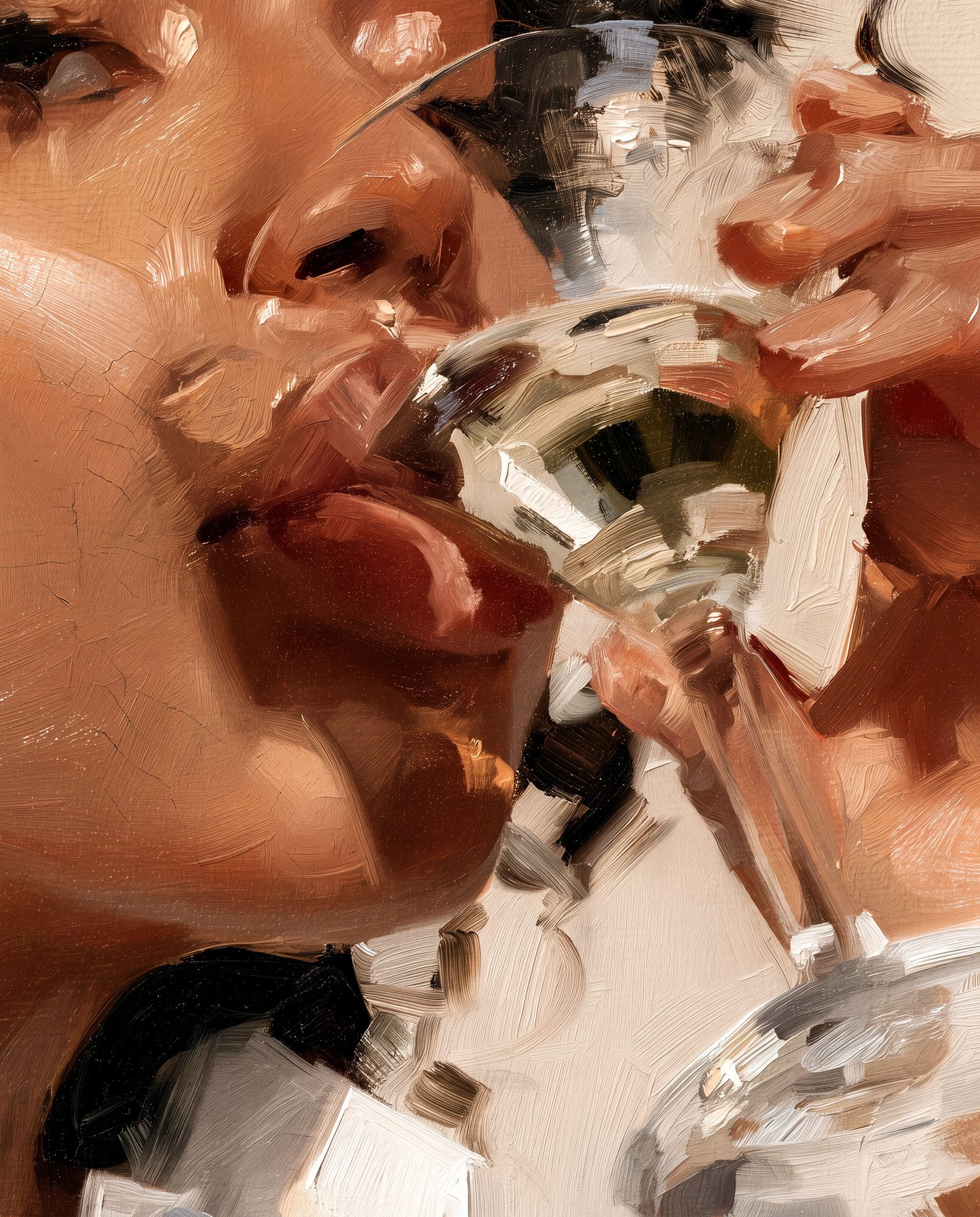
Someone ordered elegance and then drank it before it arrived.
The crop is wonderfully rude. We get cheek, nostril, lips, fingers and glass—just enough information to reconstruct the entire evening. The face pushes in from the left while the hand arrives from the right, squeezing the composition around that tilted cocktail glass. There’s nowhere for the eye to escape. Which, depending on the hour, may also describe the subject.
The brushwork does most of the storytelling. Skin is built from slabs of ochre, rust, cream and brown; the glass dissolves into loose strokes and reflections. Lucian Freud comes to mind in the insistence that flesh remain flesh—textured, warm, physical. Alice Neel similarly understood that a few psychologically loaded gestures can tell you more than polished likeness ever could. And there’s a little Manet in the pleasure of paint itself: highlights allowed to stay brushstrokes instead of pretending to be invisible.
The real trick is the glass. Transparent objects are notoriously difficult to paint because there’s almost nothing to paint except distortion—reflected light, bent edges, whatever happens to be visible through them. Here those fractured whites, blacks and grays break up the warm face and make the drink the visual hinge of the picture.
The expression could be pleasure, exhaustion, contemplation, or the exact second someone says, “I’m absolutely fine.”
FUN FACT
Glass has fascinated painters for centuries because its transparency forces them to depict reflected and refracted light rather than a conventional solid surface. In good hands, painting “nothing” becomes the hard part.
Related works
Pony Problem
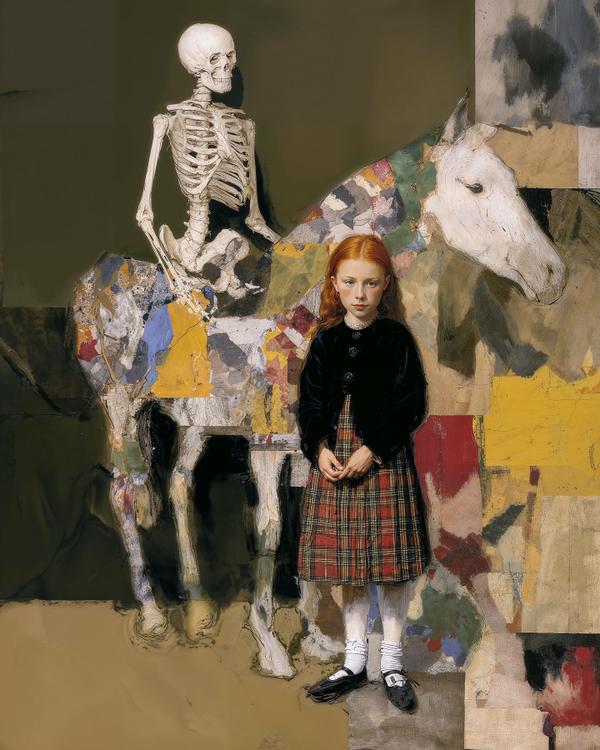
Like if a Victorian portrait got ghosted by reality and decided to make that everyone else’s issue.
Porodina After Midnight
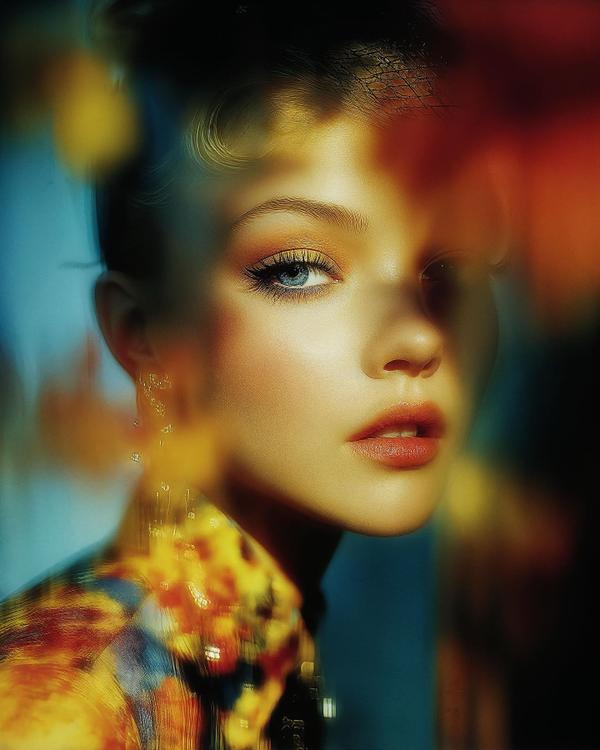
This piece steps into the world of Elizaveta Porodina, the Moscow-born, Munich-based fashion photographer I stumbled upon in the Wall Street Journal. She recently shot Sydney Sweeney, and trust me — if you thought your camera roll was fire, this is Olympus-level divine. Porodina’s signature? Painterly surrealism. Her images look less like glossy fashion spreads and more like oil paintings trapped inside a prism. Notice the blurred doubles, the spectral echoes, the way color bleeds across fabric like molten glass. She bends light the way painters bend pigment — not to capture reality, but to reinvent it. Compare her to Paolo Roversi, the Italian master of fashion photography. Roversi gave us the soft, ethereal, almost ghostly glow of 8x10 Polaroids — every subject a whisper, a memory, a dream. Porodina, meanwhile, is louder. She trades sepia ghosts for jewel tones and iridescent shadows. If Roversi is a candlelit aria, Porodina is a synthwave ballad pulsing in a neon cathedral. Fun fact to impress your next gallery date: Porodina studied psychology before becoming a photographer. Which explains why her portraits don’t just show people — they psychically haunt you. So here’s the takeaway: Porodina isn’t just the future of fashion photography — she’s proof that the line between painting and photography is now a smear of color, blurred beautifully into oblivion.
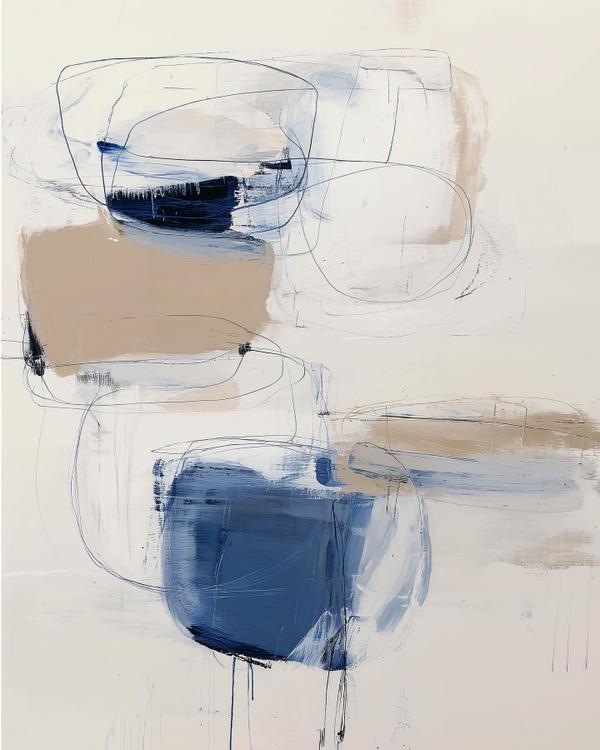
Quiet Commotion
Like a cocktail napkin sketch went to therapy and came back emotionally available.
Available as a museum-quality print.
Request this print