The Argument Between Lines
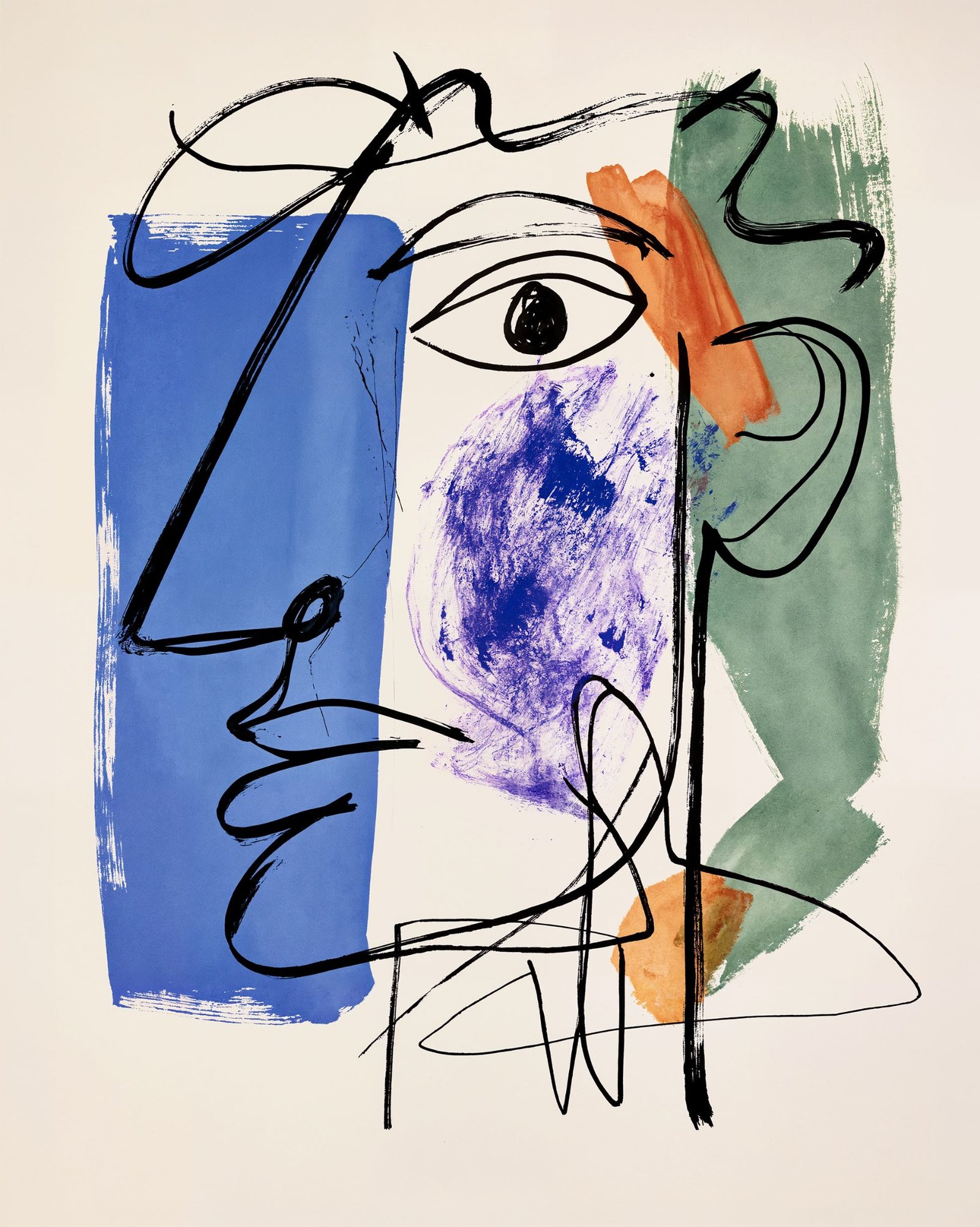
Some faces tell you what they’re thinking. This one looks like it changed its mind three times and kept the evidence.
A single black line does most of the heavy lifting here, looping into hair, sliding into an eyebrow, dropping down the nose, then wandering off again as if the drawing is thinking out loud.
That economy of line has clear roots in Picasso’s contour portraits, where a few marks can carry an entire personality. Matisse is here too, especially in the confidence to leave things out. The broad fields of blue and green bring in the logic of modernist printmaking: flat color, open space, and gesture all sharing the same stage.
The composition works because it never settles. That cool blue block anchors the left side, the sage green opens the right, and the bruised violet in the center changes the emotional weather. Then those small orange marks cut through everything like a sharp comment at dinner.
One eye, one ear, one long looping profile. Enough information to recognize a face, but not enough to pin it down completely.
That’s what makes it feel alive.
This face has better timing than most people.
FUN FACT
Picasso often used continuous-line drawing, making an image with little or no lifting of the pen. The result turns drawing into a kind of choreography: your eye follows the mark almost the way your ear follows a melody.
Related works
What the Walls Remember
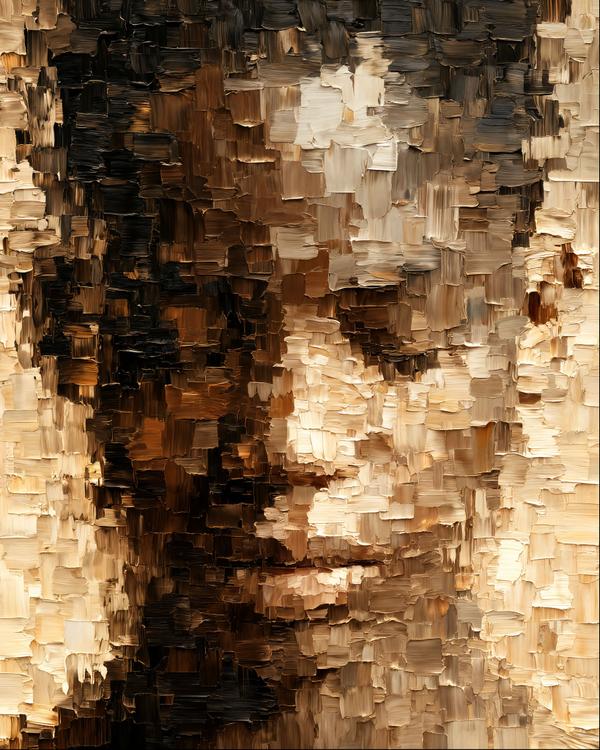
Somewhere between a midnight espresso and a very expensive renovation, a face started appearing in the plaster.

The Garden Has Taken His Side
Somewhere beneath that shrubbery is a man who clearly told the gardener he wanted privacy.
The Elephant in the Room
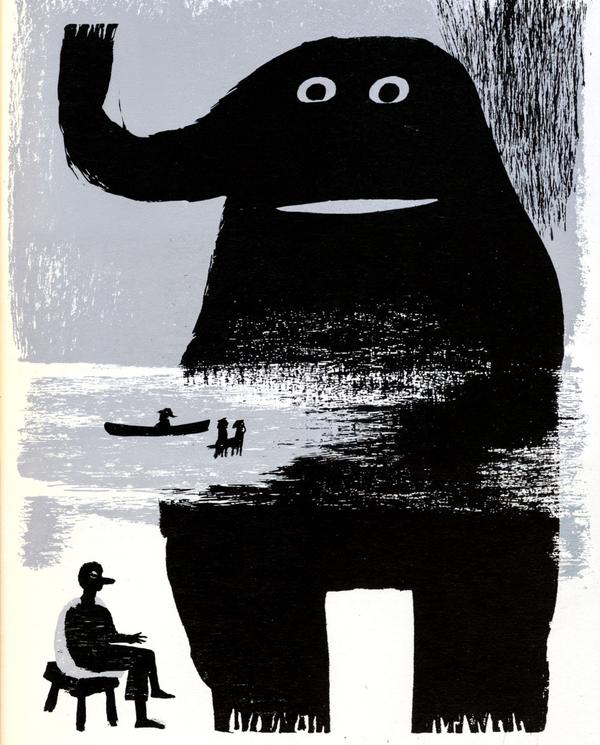
Finally, someone dealt with the elephant in the room. He seems pretty comfortable there.
Available as a museum-quality print.
Request this print