
When the Canyon Forgot It Was Rock
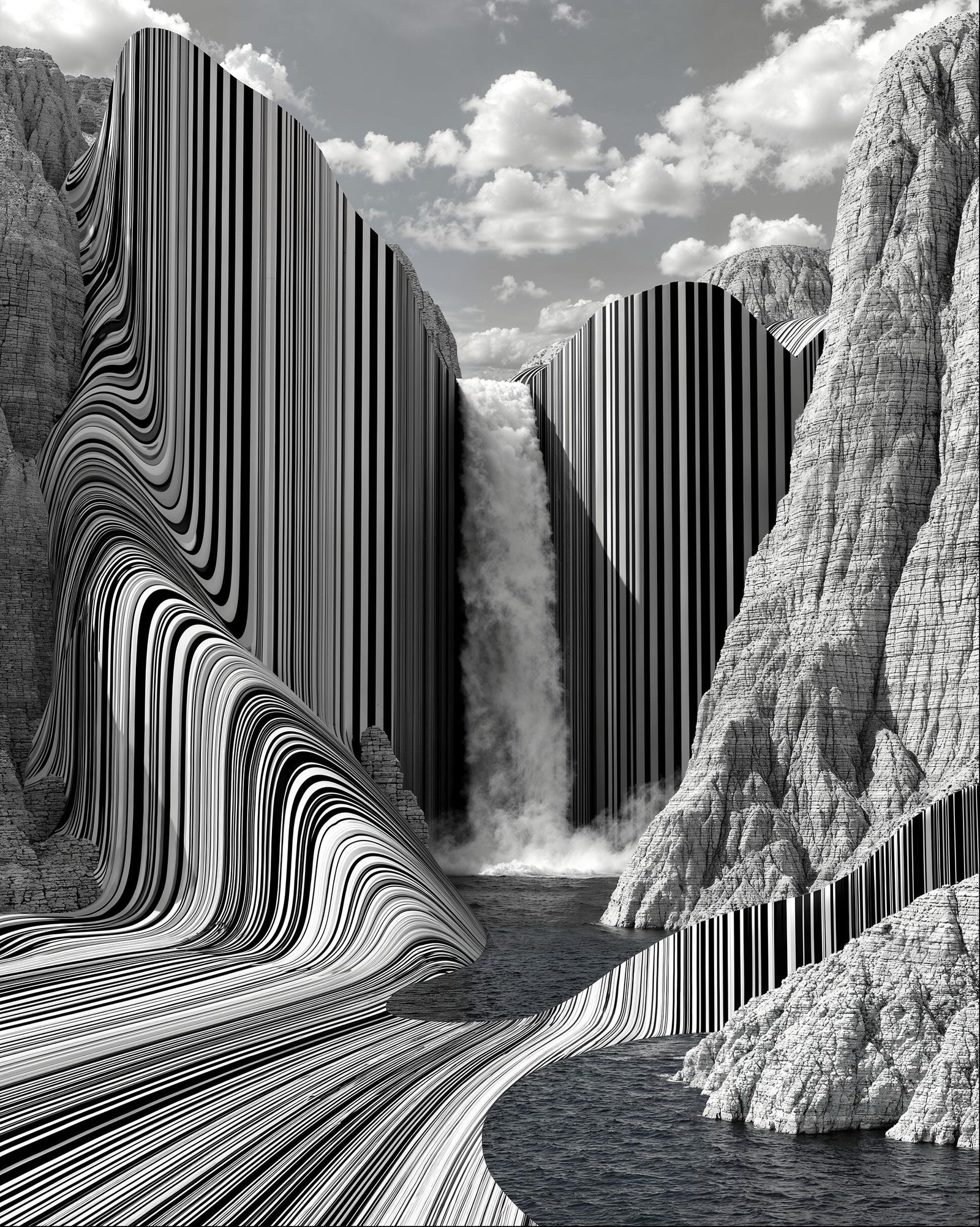
Nature got a barcode.
Black-and-white bands pour across the canyon walls, bend around stone and slip toward the waterfall until geology starts behaving like fabric.
The image borrows from Op Art, where repeated lines and high contrast make the eye perceive vibration, bending and movement that are not physically present. Bridget Riley and Victor Vasarely turned those optical effects into an entire visual language.
The waterfall gives the eye one familiar anchor. Everything around it starts to wobble. That tension between photographic landscape and optical pattern makes the canyon feel temporarily undecided about whether it is rock, water or pure graphic rhythm.
FUN FACT
MoMA’s 1965 exhibition The Responsive Eye helped bring Op Art to a huge public audience and turned optical effects into a cultural phenomenon.
Related works
Wind
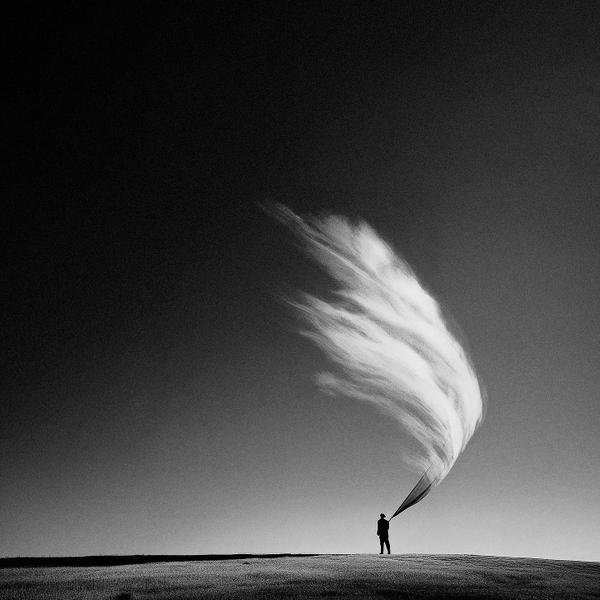
A simple assignment: make the invisible visible.
The Weight of Quiet
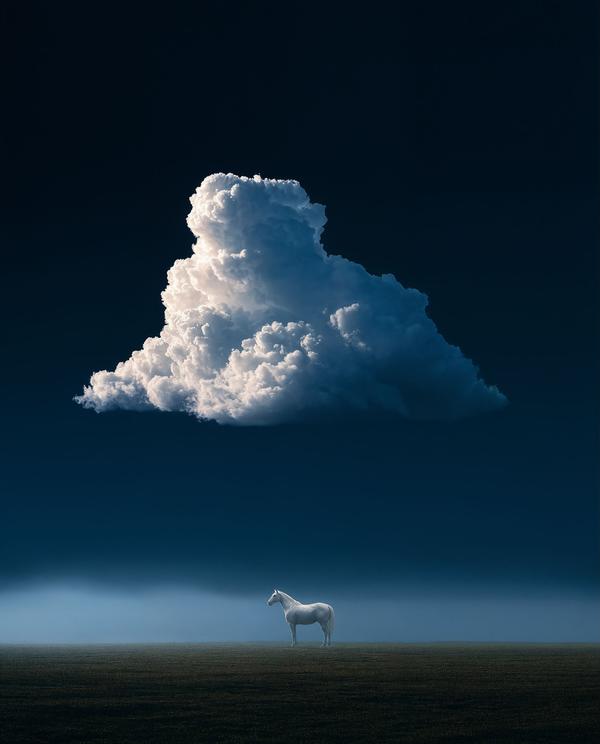
The horse has seen the forecast and chosen dignity. Alone in a dark field, he stands perfectly still beneath a cloud that looks less like weather and more like a mountain passing overhead. The light catches both figures—the bright edge of the cloud, the pale curve of the horse—while everything else slips into deep blue silence.
How Did Dada Inspire Modern Digital Art?
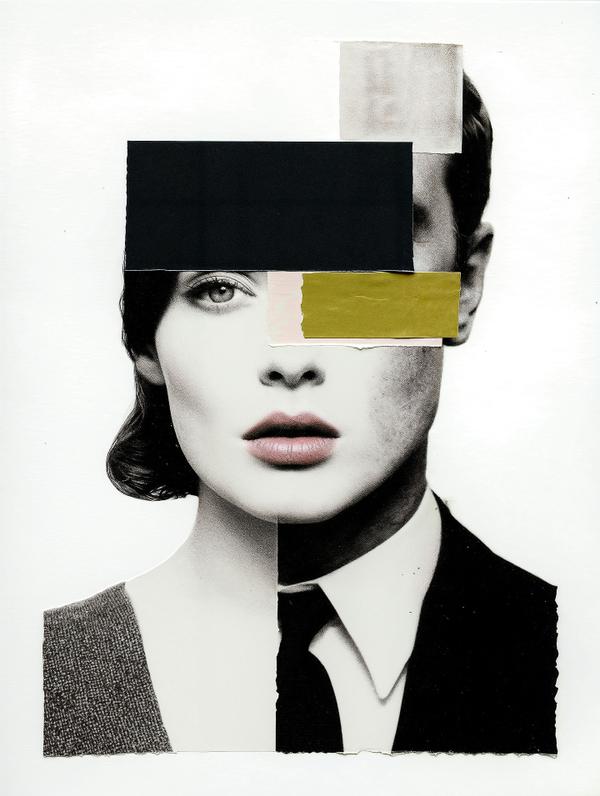
What do memes, glitch art and digital collage owe to a 100-year-old art movement? More than you might think.
Available as a museum-quality print.
Request this print